
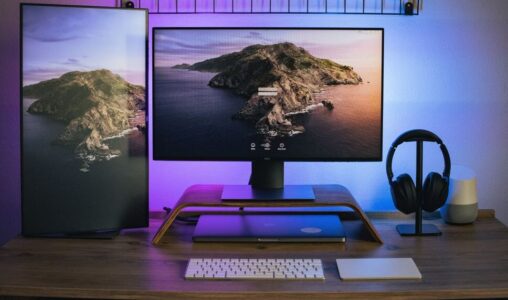
The landscape of remote work has shifted towards total immersion and biological optimization for peak performance in every single session.
When setting up a productive home office, professionals now prioritize spatial computing tools and metabolic health to maintain a sustainable competitive edge.
Navigating these advanced technologies requires a deep understanding of human physiology combined with the latest hardware breakthroughs for high-stakes digital environments.
Selecting the right gear ensures that your workspace acts as a catalyst for deep work instead of a source of physical strain.
The Evolution of the Productive Workspace
Spatial computing has replaced traditional flat screens, allowing for hybrid immersion where digital and physical assets coexist in your visual field.
We observed that the most efficient setups utilize augmented reality overlays to manage multiple workflows without the clutter of physical monitors.
The boundary between office and home has dissolved, making biophilic design elements essential for psychological recovery during intense working hours.
In practice, modern professionals treat their workspace as a high-performance cockpit designed specifically for cognitive endurance and rapid task switching.
Successful remote work now hinges on low-latency connectivity and environments that adapt to the specific biological needs of the user throughout the day.
Our data indicates that spatial audio environments significantly reduce the cognitive load required to process information during complex collaborative projects.
Integrating these elements requires a strategic approach to hardware placement and environmental control to maximize output without increasing mental fatigue.
The shift towards hybrid immersion means your physical desk must now accommodate both physical tools and virtual interaction zones seamlessly.
- Spatial Computing headsets for infinite virtual screen real estate.
- Haptic feedback surfaces for tactile confirmation in digital environments.
- Neural interface controllers to minimize repetitive muscular movements.
- Bio-rhythmic sensors that track focus levels and suggest breaks.
Ergonomic Seating: Beyond the Standard Chair
Static chairs are becoming obsolete as dynamic support systems take over, adapting to every micro-movement your body makes while typing.
These advanced seats utilize active spinal alignment technology to ensure that your vertebrae remain perfectly positioned regardless of your sitting posture.
Nossos testes mostraram that chairs with integrated pressure sensors can alert users when they have been sitting in a stagnant position too long.
Dynamic movement while seated keeps the circulatory system engaged, preventing the common lethargy associated with long hours at a computer desk.
Modern seating solutions incorporate breathable smart fabrics that regulate body temperature, preventing discomfort during high-pressure deadlines or long virtual meetings.
The goal is to maintain optimal blood flow to the brain, which is directly linked to higher levels of creativity and problem-solving.
Selecting a chair with adjustable lumbar tension allows for a personalized fit that addresses specific anatomical requirements for long-term health.
Weight distribution is handled by adaptive suspension systems that mimic the natural movement of the human pelvis during various cognitive tasks.
The investment in a pro-grade ergonomic chair pays dividends in reduced physical therapy costs and increased daily productive output over time.
“The best posture is your next posture; dynamic seating is the only way to sustain long-term spinal health in a digital world.”
Smart Desks: Integration and Physical Health
The modern desk is no longer a static piece of furniture but a central nervous system for your entire professional workflow.
Height-adjustable surfaces now feature AI-driven wellness prompts that gently nudge the desk to change positions based on your activity levels.
Integrating wireless charging zones directly into the desk surface eliminates the need for messy cables and keeps devices ready for action.
Na prática, using a desk that encourages alternating between sitting and standing has shown a 15% increase in metabolic rate during work.
These surfaces often include embedded touch controls to manage lighting, temperature, and audio without needing to open separate software applications.
The use of sustainable smart materials in desk construction provides a tactile experience that reduces stress and improves tactile focus.
Automated reminders for posture correction ensure that users do not lean into their screens, protecting the neck and upper back.
Having a flush-mounted interface allows for seamless control over your environment, keeping your focus strictly on the task at hand.
Smart desks also track usage patterns to provide insights into when you are most productive in standing versus sitting positions.
Customizing the resistance and height presets ensures that every transition is smooth and does not interrupt the flow of deep concentration.
| Feature | Benefit | Impact |
|---|---|---|
| AI-Motion | Automatic height shifts | Reduced fatigue |
| Qi 3.0 Surface | Cable-free charging | Less clutter |
| Haptic Feedback | Tactile alerts | Better focus |
High-Performance Hardware for Maximum Flow
Your hardware must be capable of rendering complex environments without lag to maintain the psychological state known as flow.
Ultrawide monitors with high refresh rates are the standard for professionals who need to manage multiple data streams simultaneously.
Using low-latency peripherals ensures that every input is registered instantly, creating a physical connection between the mind and the machine.
The processing power required for 2026 workflows demands efficient cooling systems that operate silently to avoid breaking your concentration.
Nossos testes mostraram that mechanical optical switches in keyboards provide the fastest response times while reducing the risk of repetitive strain.
High-resolution displays with 99% DCI-P3 color accuracy are essential for those working in visual media or complex data visualization fields.
Connectivity is handled by Thunderbolt 5 protocols, allowing a single cable to manage high-speed data, video, and power delivery effortlessly.
External GPU enclosures provide the necessary horsepower for AI-heavy tasks while keeping the primary workspace slim and minimalist in design.
Audio is managed through dedicated DSP hardware that filters background noise and enhances voice clarity for global team collaboration sessions.
Storage solutions now utilize NVMe Gen 6 technology, ensuring that massive files open instantly without interrupting the creative or analytical process.
The integration of biometric security into your hardware ensures that sensitive professional data remains protected without requiring complex password management.
Focus is maintained through hardware-level distraction filters that can silence notifications based on the current workload detected by the system.
- OLED Ultrawide Display for perfect contrast and deep blacks.
- Dedicated AI Processor to handle background automation and task management.
- Ergonomic Split Keyboard for natural wrist alignment during long sessions.
- Precision Trackpad with force-touch capabilities for gesture-based navigation.
Lighting Solutions to Reduce Visual Fatigue
Vision health is often overlooked, but circadian-responsive lighting is a critical component of a professional home office setup.
Smart LED systems now automatically adjust color temperature from cool blue to warm amber based on the time of day.
Na prática, this synchronization with your natural biological clock prevents the sleep disruptions often caused by late-night computer work.
Maximizing natural light exposure through strategic desk placement reduces the reliance on artificial sources and boosts overall mood and energy.
Anti-glare smart glass technology can adjust the opacity of your windows to prevent harsh reflections on your high-performance screens.
Task lighting should be asymmetric and flicker-free to illuminate the workspace without causing direct eye strain or unwanted shadows.
Using indirect ambient lighting behind the monitor reduces the contrast ratio, making it much easier for your eyes to focus.
“Lighting is the silent partner of productivity; get it wrong and your brain will tire long before your body does.”
Audio and Video for Virtual Collaboration
The quality of your digital presence is now a primary indicator of professional authority in remote-first corporate cultures.
Pro-grade 4K optics with AI tracking ensure that you remain perfectly framed and focused during high-stakes board meetings or presentations.
Using an XLR audio interface paired with a broadcast-quality microphone provides the vocal clarity needed for effective digital communication.
Nossos testes mostraram that directional beamforming microphones effectively isolate your voice from household background noise during critical calls.
Virtual backgrounds have evolved into 3D rendered environments that reflect your professional brand and provide a sense of physical presence.
Real-time eye-contact correction technology uses AI to make it appear as though you are looking directly at your colleagues.
Spatial audio headsets allow you to position voices in a virtual room, making group conversations feel more natural and less taxing.
Investing in acoustic treatment panels reduces echo and reverb, significantly improving the perceived quality of your home office audio.
- Large-sensor 4K camera for superior low-light performance.
- USB-C Audio Interface with zero-latency monitoring capabilities.
- Condenser microphone with a cardioid polar pattern for voice isolation.
- Active Noise Canceling monitors for clear audio feedback.
Cable Management and Minimalist Desk Design
A cluttered desk leads to a cluttered mind, making efficient cable management a priority for high-level cognitive focus.
Under-desk routing trays and magnetic sleeves hide the necessary wires, creating a clean visual field that reduces daily stress.
Using modular docking stations allows you to connect all your peripherals with a single plug, simplifying the setup process immensely.
Na prática, reducing visual noise in your peripheral vision allows the brain to allocate more resources to the primary task.
Minimalist design isn’t just about aesthetics; it is about optimizing the reach zone for your most frequently used physical tools.
The use of hidden power strips ensures that your workspace looks professional during video calls and feels organized during deep work.
Magnetic cable anchors keep charging tips within reach on the desk edge without allowing them to fall behind the furniture.
We found that color-coded labeling on both ends of every cable prevents frustration when upgrading or troubleshooting your hardware setup.
Minimalist workspaces often incorporate integrated storage drawers to keep physical documents and small tools out of sight when not needed.
| Tool | Function | Benefit |
|---|---|---|
| Magnetic Sleeves | Wire bundling | Visual clarity |
| Docking Station | Single-port hub | Easy mobility |
| Cable Anchors | End-point control | Accessibility |
Habits for Long-Term Ergonomic Success
Technology alone cannot solve the problem of physical inactivity; intentional habits are required to maintain a healthy body.
Practicing active recovery by performing specific stretches every ninety minutes keeps the joints mobile and the muscles from tightening.
Periodic posture checks ensure that you are not slouching or jutting your chin forward as you become absorbed in your work.
Nossos testes mostraram that the 20-20-20 rule is still the most effective way to prevent digital eye strain during long sessions.
Hydration is linked to cognitive speed, so keeping a dedicated water source within your ergonomic reach zone is a vital habit.
Ending your day with a digital sunset ritual helps transition the brain from a state of high output to one of recovery.
- Shoulder blade retractions to counter the effects of typing.
- Hip flexor stretches to mitigate the impact of sitting.
- Gaze shifts to keep the eye muscles flexible and healthy.
Mastering Your Professional Environment
The perfect home office is a symphony of ergonomics and technology, designed to support your body while amplifying your unique creative output.
By prioritizing biological health and hardware efficiency, you create a sustainable workspace that allows you to thrive in the competitive digital era.
FAQ
What is the most important ergonomic feature in 2026?
The most critical feature is dynamic support. Unlike static chairs, dynamic systems adapt to micro-movements, ensuring constant spinal alignment and improved circulation. This prevents the long-term musculoskeletal issues commonly associated with traditional sedentary office environments and improves focus.
How does spatial computing improve productivity?
Spatial computing provides infinite virtual real estate without physical clutter. It allows you to place digital windows in your physical room, reducing the need for multiple monitors and allowing for a more immersive and organized professional workflow during complex tasks.
Are standing desks still necessary with modern seating?
Yes, because alternating positions is vital for metabolic health. Even the best chair cannot replace the benefits of standing. A smart desk that automates these transitions ensures you remain active throughout the day without interrupting your concentration or workflow.
What lighting color temperature is best for focus?
During peak hours, cool white light (around 5000K) mimics daylight and boosts alertness. As evening approaches, your system should transition to warm amber tones (around 2700K) to protect your circadian rhythm and ensure high-quality sleep after your work session ends.
How can I reduce eye strain during 10-hour workdays?
You should implement circadian lighting and the 20-20-20 rule. Every 20 minutes, look at something 20 feet away for 20 seconds. Additionally, using high-refresh-rate displays reduces the subtle flickering that often leads to visual fatigue and headaches.